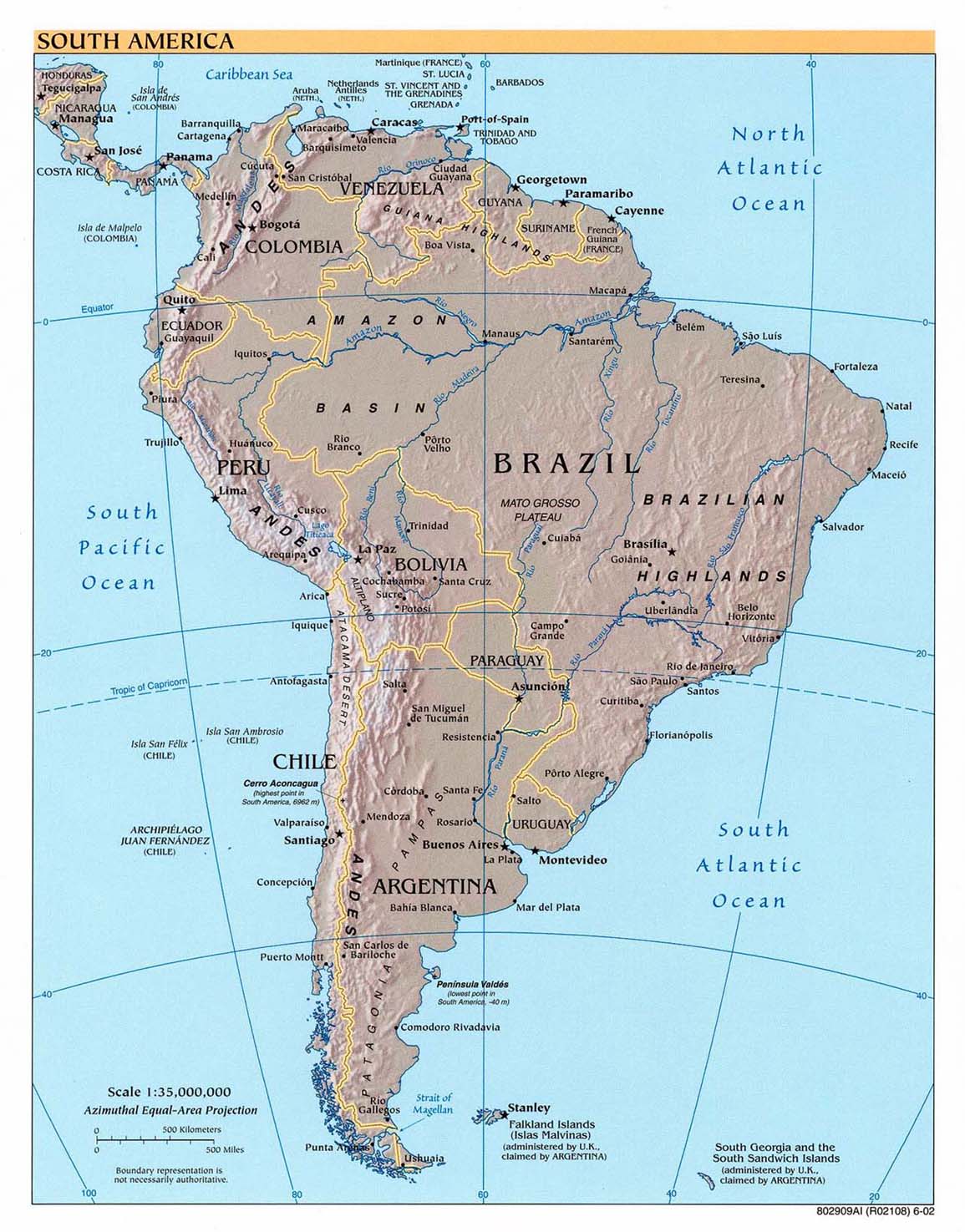
This line is a bit of a random conversation starter. Should a person ever walk up to me and boldly ask this with little to no build up or explanation, I would be fairly taken-aback. Apparently, nothing catches Jake Barnes off-guard. Anyway, Cohn appears to have a brief mid-life crisis, in which he feels absolutely sure that he's not living life up to the fullest, and thus decides that he wants to go to South America, and everything will be okay. This is one of the common ways that people in the novel seek to find fulfillment in their lives: travel. Whether it's moving from bar to bar, or from country to country, the members of the Lost Generation often try to leave their problems behind by actually physically moving. However, Jake responds with the lovely quote: "You can't get away from yourself by moving from one place to another" (p. 19). Jake is essentially saying that the problems that Cohn faces are due to his lifestyle, like his outdated values and morals, and that changing location will not make these problems go away. This chapter also shows a particular recurring quality of Jake's: oftentimes he shows quite the impressive insight in pointing out a problem, typically of those facing the Lost Generation, yet he oftentimes falls short of actually offering a solution.
Showing posts with label Robert Cohn. Show all posts
Tuesday, August 10, 2010
One - Robert Cohn
Robert Cohn is the first member of The Barnes Crew that is mentioned in this novel. In this tiny slice of a chapter, we receive great insight into the life and mind of Mr. Cohn. We learn that he's a shy little Jewish boy who has gotten used to being picked on and made fun of, and has simply learned to just take it for the most part. He generally doesn't seem to stand up for himself, as is seen on page 14 where he declares that any trip involving a lady other than Frances and "I couldn't go, that would be all." He appears to be afraid of confrontation, which probably stems from the fact that he's one of the only members of The Barnes Crew that was not involved in World War One. Furthermore, we learn that Cohn is a writer, which only further enforces my theory that all writers everywhere like to write about writers more than any other profession. Just think about it. And lastly, and possibly most importantly, we learn that "Robert Cohn was once middleweight boxing champion of Princeton" (p. 11). I think this fact is particularly important because it's mildly ironic. Throughout the course of the novel, we see Cohn take on the role of a punching bag, rather than that of the one doling out the punches. Cohn is the focus of countless verbal attacks and insults and (generally) never fights back. Rather than being shown as the big bad boxing brute (unintentional alliteration), he just gets picked on, over and over.
Subscribe to:
Posts (Atom)